
Not having a strategy is not a strategy
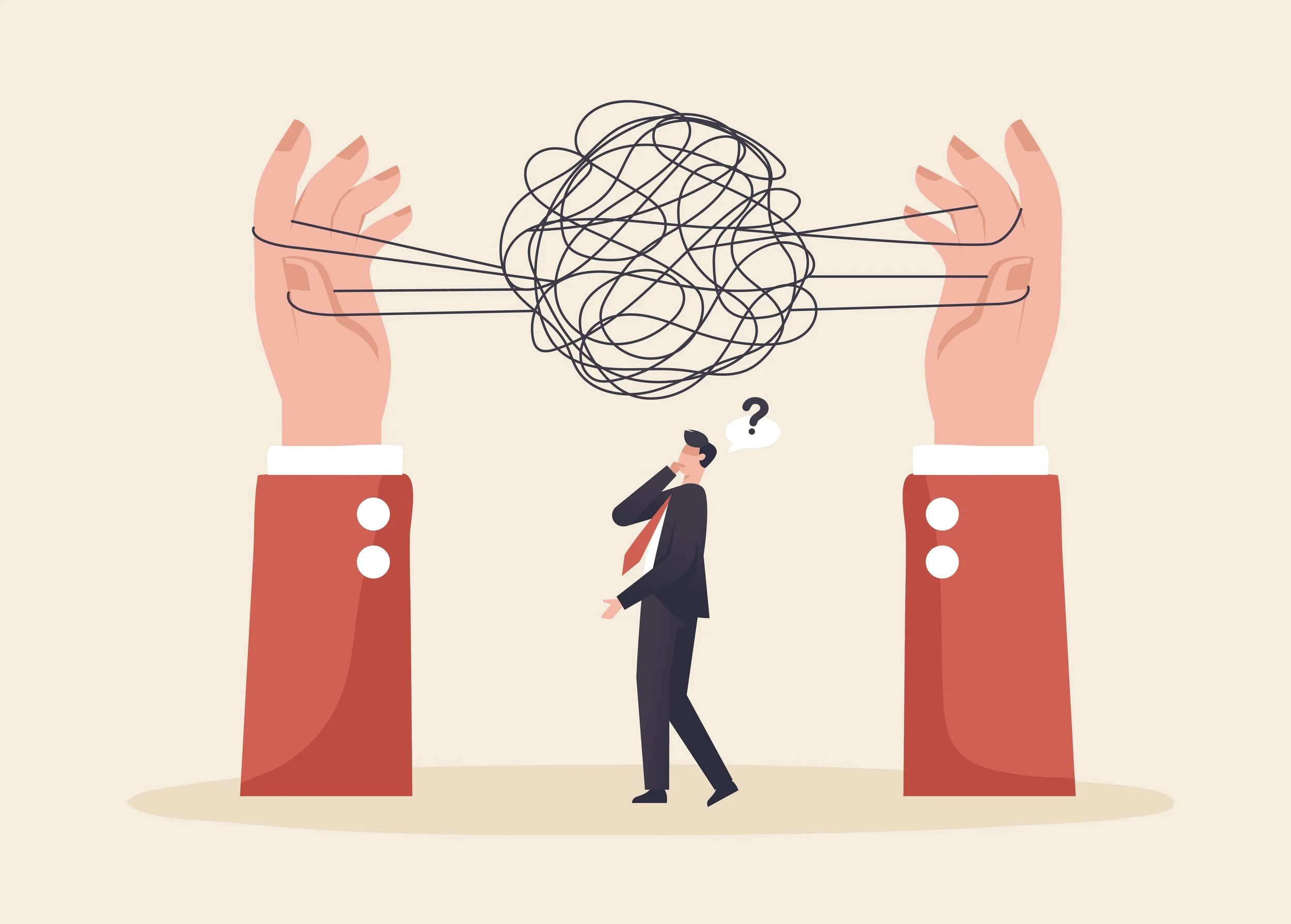
After more than four decades working with organizations on strategy, one pattern still surprises me. Many organizations operate without a current strategic plan. Others technically have one, but it sits somewhere in a document or slide deck and does not meaningfully guide everyday decisions.
From the outside, these organizations often appear quite busy and productive. People are working hard, customers are being served, and problems are being solved. Activity is constant and the organization rarely feels idle.
But something subtle is happening beneath the surface.
Decisions are made without a shared direction. Priorities shift depending on who speaks loudest or which issue appears most urgent. Projects are launched that may be worthwhile on their own but are not clearly connected to a broader future the organization is trying to create.
Over time the organization begins solving the same problems again and again. Leaders expend tremendous energy, but the progress achieved rarely matches the effort invested.
Eventually someone asks a question that experienced leaders recognize immediately:
Why does it feel like we are working harder every year but not moving forward as much as we should?
That question is often the signal that strategy has been neglected.
The Problem-Solving Trap
A leader once said something to me that perfectly captured this dynamic. He told me, “I feel like we are trying to solve the same problems every year.”
Organizations without clear strategy frequently fall into cycles of repeated problem-solving. A problem appears, the team works diligently to address it, and the situation improves for a time. But because the underlying strategic issues were never examined, the same problem eventually returns.
Sometimes it returns under a slightly different name. Sometimes the context has changed. But at its core it is the same challenge reappearing.
This happens because operational decisions are being made without strategic context.
Strategy answers questions such as: What kind of organization are we trying to become? Where will our future success come from? Which activities truly matter and which should be reduced or eliminated?
Without those answers, decisions are made one at a time rather than as part of a coherent direction. The organization appears active but gradually drifts…or even fails.
Good strategy does the opposite. It aligns decisions so that each step moves the organization toward a defined destination. Once that alignment exists, something interesting often happens: many problems stop appearing in the first place.
Where Strategy Often Breaks Down
One pattern I see repeatedly in organizations is what I think of as an implementation leak. The organization’s strategy, whether written or just “known” by the team, sounds reasonable. Everyone seems to agree. Yet upon further examination what is called the strategy is not dynamic. It’s a relic. And it results in little actual change in the way the organization behaves.
A consulting experience from years ago illustrates the issue.
I was asked to help a family-owned publishing company whose performance had been deteriorating for years. Dividends to family members had disappeared, and the board finally asked for outside help.
At first the situation seemed straightforward. The company’s primary publication had been declining in profitability and market share, although this decline had been partially masked by growth in a newer information service.
The strategic question appeared obvious: should the company attempt to fix or exit the declining publication and focus resources on the growing service?
But the real issue turned out to be deeper. The same leaders had been running the company for decades, including the executive responsible for the publication. What initially looked like a product strategy problem became something much more difficult: confronting leadership assumptions and a culture that resisted change.
Years passed while the company slowly deteriorated. Eventually the organization was sold with little value remaining for the family owners.
Cases like this reveal an uncomfortable truth about strategy. Organizations rarely fail because there aren’t ideas at hand for creating success. More often they fail because the organization is on cruise control, living in the past: They lack a disciplined process for confronting reality, evaluating strategy, and translating decisions into sustained action.
Turning Change Into Opportunity
Change is unavoidable. Markets shift, technologies evolve, and customer expectations move in new directions.
Organizations that adapt thrive. Organizations that react slowly struggle.
We have seen both outcomes many times.
Intel famously rescued itself by abandoning its once-dominant memory chip business and focusing on microprocessors. Kodak, despite inventing the first digital camera, failed to capitalize on digital photography and ultimately collapsed.
The difference between those outcomes was not luck. It was good strategy and acting on it for Intel and bad strategy/cruise control for Kodak.
When leaders step back and think deliberately about the future, change becomes something very different. Instead of something to react to, change becomes something to anticipate and sometimes even leverage.
Strategy clarifies where the organization is today, defines what success should look like in the future, and identifies the path most likely to move the organization from one to the other.
A Turnaround Story
As a lifelong Chicago Blackhawks fan who grew up playing pickup hockey, I followed the team closely through some very lean years.
In 2004 ESPN ranked the Blackhawks the worst franchise in professional sports. Attendance was near the bottom of the National Hockey League, fan enthusiasm had evaporated, and the organization had drifted for years without clear direction.
Then ownership changed.
Rocky Wirtz took over the team and brought in John McDonough as CEO. Rather than making small adjustments, they tackled the situation strategically. They defined a compelling vision for what the organization should become, challenged long-standing assumptions, strengthened leadership throughout the organization, and rebuilt relationships with fans.
The results were dramatic. Attendance surged, the team returned to competitiveness, and in 2010—after a 49-year drought—the Blackhawks won the Stanley Cup. Forbes later called it one of the greatest turnarounds in sports history.
What changed was not luck. Leadership chose to define a clear future, align the organization around it, and execute relentlessly.
The Leadership Choice
Strategic thinking often feels like an interruption. Leaders are busy and operational issues demand constant attention.
Yet organizations that step back to clarify their vision and strategy frequently move forward faster afterward. Decisions become easier, priorities become clearer, and resources are used more effectively.
The organization begins moving in a coordinated direction rather than reacting to events.
The leadership choice is therefore a simple one, even if it is not always easy.
Continue reacting to events.
Or take the time to think strategically and act consistently on your strategy to shape the future.
A Practical Approach
Over the years I have worked with many organizations trying to bring more discipline and clarity to their strategic thinking and execution. Those experiences, along with research and years of writing and consulting on strategy, eventually led me to develop the FastTrack™ Strategic Planning System.
FastTrack™ is designed to help leaders move through the essential steps of strategic thinking and action in a practical and structured way—understanding their current reality, defining a compelling future, developing effective strategies, and translating those strategies into measurable action and progress.
If you would like to see how the system works, you can check it out here:
FastTrack™ Strategic Planning System—https://www.fasttrackplanning.com